WhatsApp:+86 18998711344

Email:info@taimachining.com

Use the FAQ to clarify common questions about drawings, CAD files, materials, tolerances, finishing, inspection reports, lead time, documentation, and packing before sending an RFQ.
Buyer resource
A complete RFQ helps a CNC machining supplier review the drawing, manufacturing route, material, quantity, finish expectations, and inspection requirements before quotation. This guide explains what buyers can prepare for a clearer first review.
A complete RFQ helps a CNC machining supplier review the drawing, manufacturing route, material, quantity, finish expectations, and inspection requirements before quotation. This guide explains what buyers can prepare for a clearer first review.
Share 2D drawings whenever possible, and include 3D CAD files if available. Useful drawing details include revision level, units, tolerances, datums, thread notes, surface finish notes, critical dimensions, and any features that affect assembly or function.
State the required material grade when it is fixed, or note acceptable alternatives when substitutes can be discussed. Finish expectations such as anodizing, plating, passivation, coating, cosmetic surfaces, edge breaks, or functional surfaces should be included early.
Clarify whether the RFQ is for a prototype, sample batch, small batch, repeat order, or production discussion. Quantity and production stage help the supplier review setup, machining route, inspection needs, and packaging expectations.
If certain dimensions, surfaces, threads, bores, or assembled features are critical, identify them with the RFQ. Buyers should also mention dimensional reports, material documents, packing notes, labeling needs, or other documentation expectations.
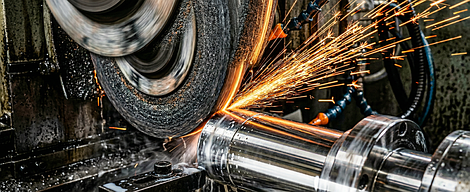
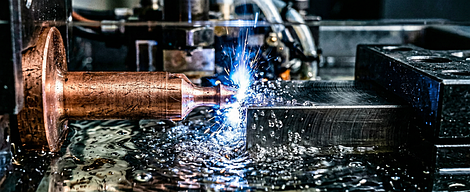
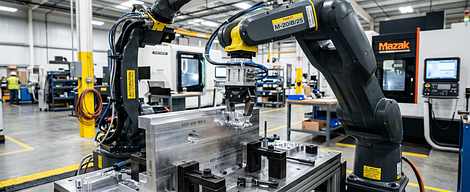
Some parts may require more than one process, such as milling, turning, EDM, grinding, or simple assembly. If the drawing suggests multiple operations or special handling, sharing the complete requirement helps the supplier review the route before quoting.
A clear first RFQ usually includes drawings, CAD data, material, quantity, finish requirements, critical dimensions, inspection notes, documentation requirements, and the intended use or assembly context when it affects the part.


Address:No.7, Hetang Road, Qingshuiao, Wanjiang District, Dongguan City, Guangdong Province of China

Phone:+86 18998711344

Email:info@taimachining.com

Working:Monday - Friday: 8:00 AM - 6:00 PM PST


 Talk to Our Team
 Start Production