WhatsApp:+86 18998711344

Email:info@taimachining.com

Accuracy:0.001mm
2026-04-09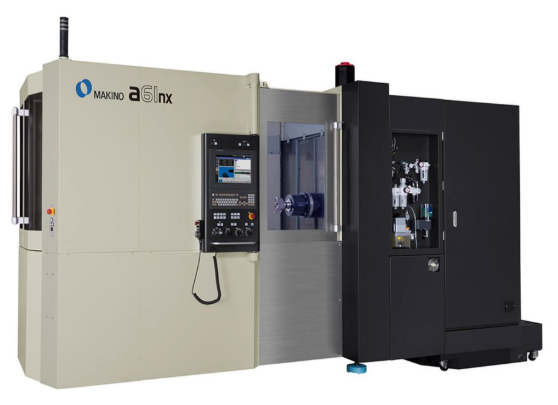
Accuracy:0.003mm
2026-03-24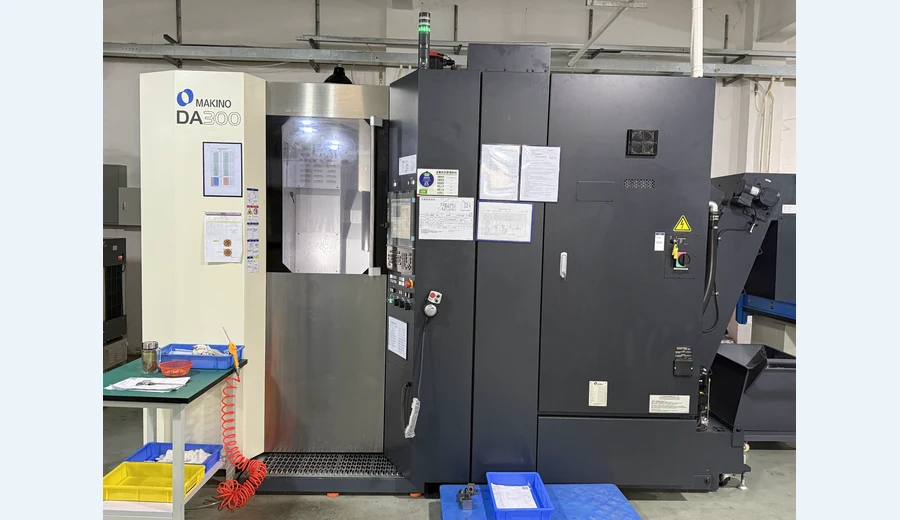
Accuracy:0.002mm
2026-03-08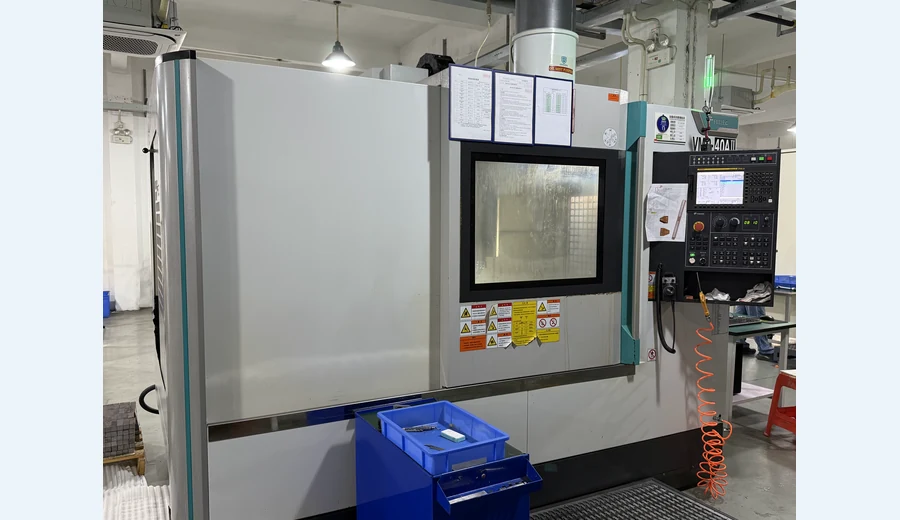
Accuracy:0.01mm
2026-03-08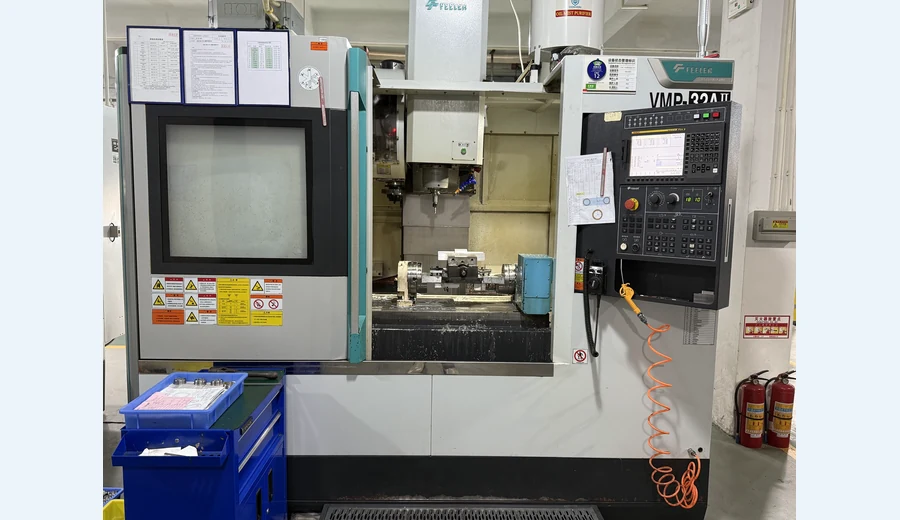
Accuracy:0.002mm
2026-03-08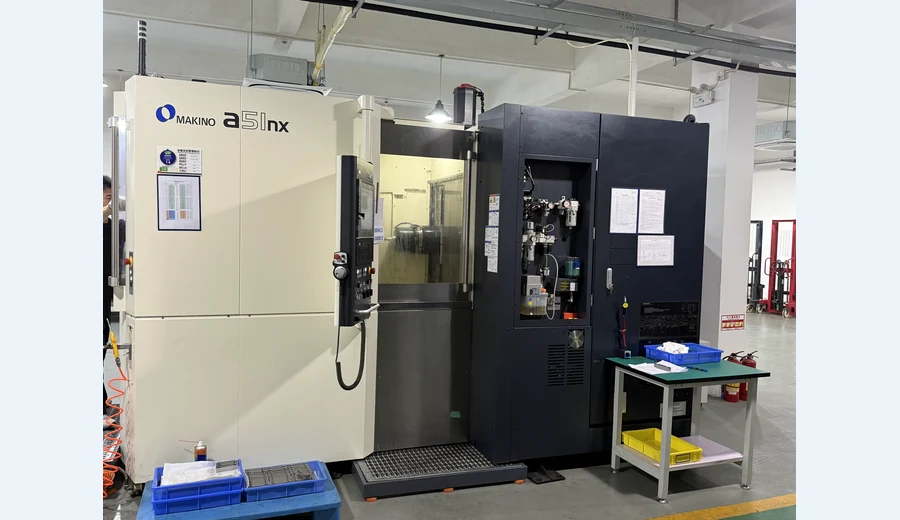
Accuracy:0.002mm
2026-03-08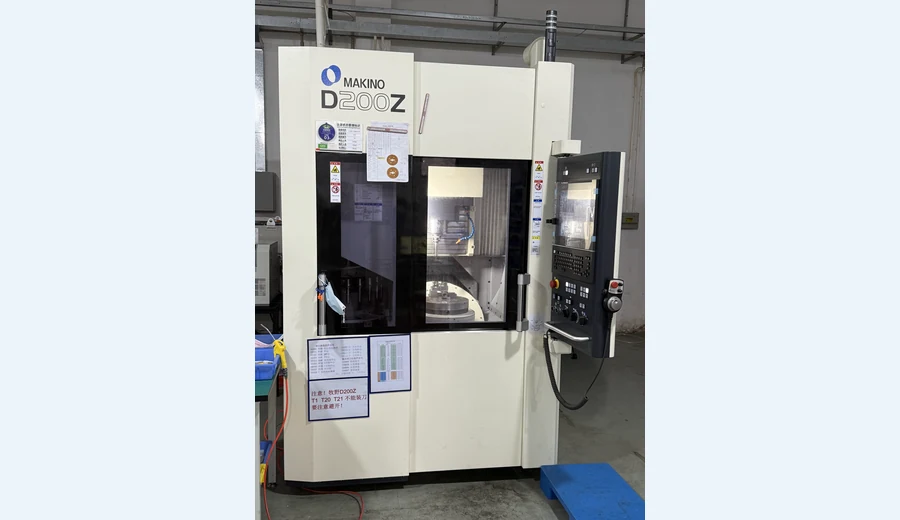
Buyer resource
The equipment list is most useful when it is connected to material selection, quality control, RFQ preparation, surface finishing, and the specific machining capability needed for the drawing.
The equipment list is most useful when it is connected to material selection, quality control, RFQ preparation, surface finishing, and the specific machining capability needed for the drawing.
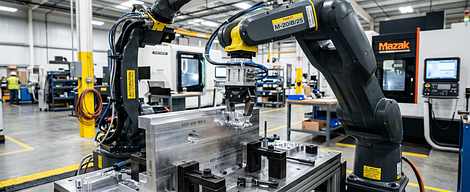
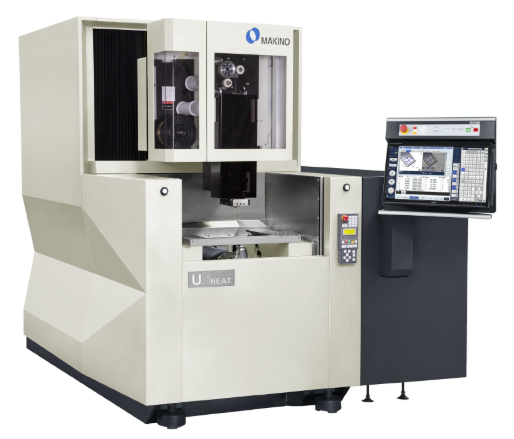
The production equipment list gives buyers a practical starting point for discussing CNC machining routes, but the final process still depends on the drawing, part size, geometry, material, quantity, and inspection needs. Use the list as context for an RFQ conversation rather than as a fixed promise that every feature will be produced on a specific machine.
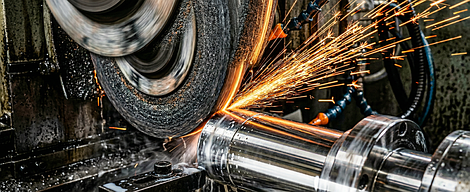
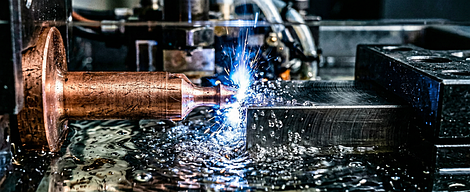
Milling centers, turning equipment, wire cutting, grinding, and multi-axis machining options may be reviewed differently depending on the material family and part geometry. Thin walls, deep pockets, long shafts, tight internal corners, hardened material, and cosmetic surfaces should be highlighted early so the manufacturing route can be discussed clearly.
Equipment capability is only one part of a drawing-based project. Critical dimensions, datums, threads, flatness-related surfaces, mating faces, and assembly interfaces also affect inspection planning and process sequencing. Sharing drawing revisions and inspection notes helps align the equipment discussion with quality control expectations.
Some parts need deburring, surface finish review, coating discussions, grinding, EDM, or assembly-related steps after the primary machining operation. If these requirements affect function, appearance, packing, or documentation, include them with the RFQ instead of treating them as separate assumptions after quotation.
A useful equipment-related RFQ includes 2D drawings, 3D files when available, material requirements, quantity, finish notes, critical dimensions, inspection requirements, target application context, and any packing or documentation needs. This information helps TaiMachining review whether milling, turning, EDM, grinding, assembly, or combined operations are relevant for the part.


Address:No.7, Hetang Road, Qingshuiao, Wanjiang District, Dongguan City, Guangdong Province of China

Phone:+86 18998711344

Email:info@taimachining.com

Working:Monday - Friday: 8:00 AM - 6:00 PM PST


 Talk to Our Team
 Start Production