WhatsApp:+86 18998711344

Email:info@taimachining.com

Use the FAQ to clarify common questions about drawings, CAD files, materials, tolerances, finishing, inspection reports, lead time, documentation, and packing before sending an RFQ.
Buyer resource
Quality control for CNC machined parts starts before production, when the drawing, material, finish, quantity, and inspection expectations are reviewed together. TaiMachining uses this discussion to clarify critical features and reduce avoidable assumptions before a quote or production order moves forward.
Quality control for CNC machined parts starts before production, when the drawing, material, finish, quantity, and inspection expectations are reviewed together. TaiMachining uses this discussion to clarify critical features and reduce avoidable assumptions before a quote or production order moves forward.
A reliable inspection plan depends on the drawing revision, critical dimensions, tolerances, material callouts, surface finish notes, and any assembly-related features. If a buyer has a preferred inspection format or control point, it should be shared before production so the team can align the manufacturing and checking steps.
Before machining starts, the drawing should be reviewed for unclear tolerances, missing datums, thread details, coating allowances, sharp-edge notes, and features that may affect machining sequence. Early review helps identify questions that are easier to resolve before material is cut.
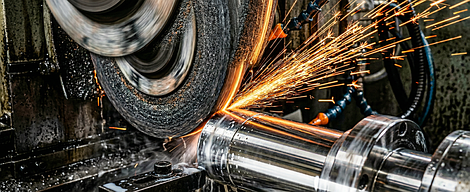
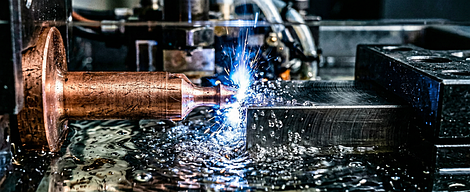
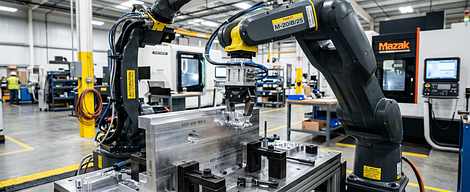
Dimensional checking usually focuses on features that affect fit, location, assembly, sealing, sliding, or fastening. For CNC milled, turned, EDM, ground, or assembled components, the priority may include hole locations, diameters, flatness-related surfaces, threads, mating faces, bores, and profile features.
Documentation requirements should be defined with the RFQ or purchase order. Depending on the project, buyers may request inspection notes, dimensional reports, material certificates from the material supplier, finish information, packing requirements, or other shipment documentation.
Clear quality communication is especially important for semiconductor equipment, aerospace components, medical-device support parts, robotics, automation, and other precision equipment projects. Sharing drawings, CAD files, revision history, and inspection priorities helps the supplier review the practical route before quoting.


Address:No.7, Hetang Road, Qingshuiao, Wanjiang District, Dongguan City, Guangdong Province of China

Phone:+86 18998711344

Email:info@taimachining.com

Working:Monday - Friday: 8:00 AM - 6:00 PM PST


 Talk to Our Team
 Start Production