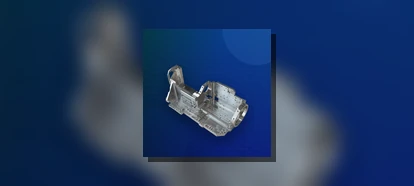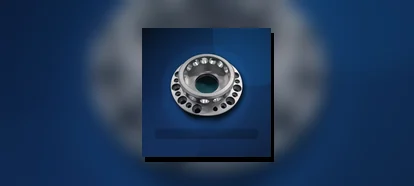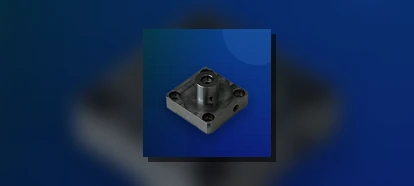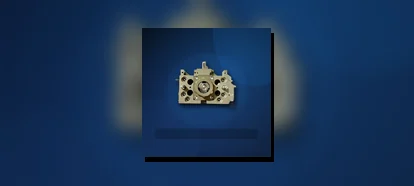


Cut detailed profiles without tool contact
Wire EDM can support electrically conductive parts when a through-profile is difficult to reach with a conventional cutter.
Review fine conductive-material features, through-profiles and delicate geometry when conventional cutting is not the best route.

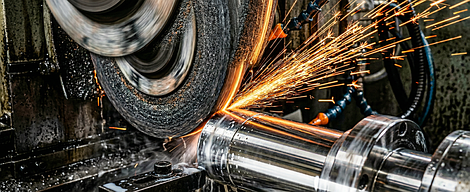
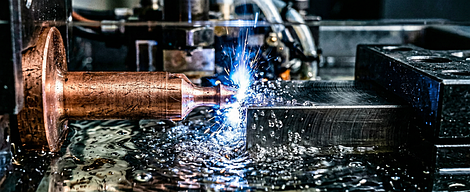
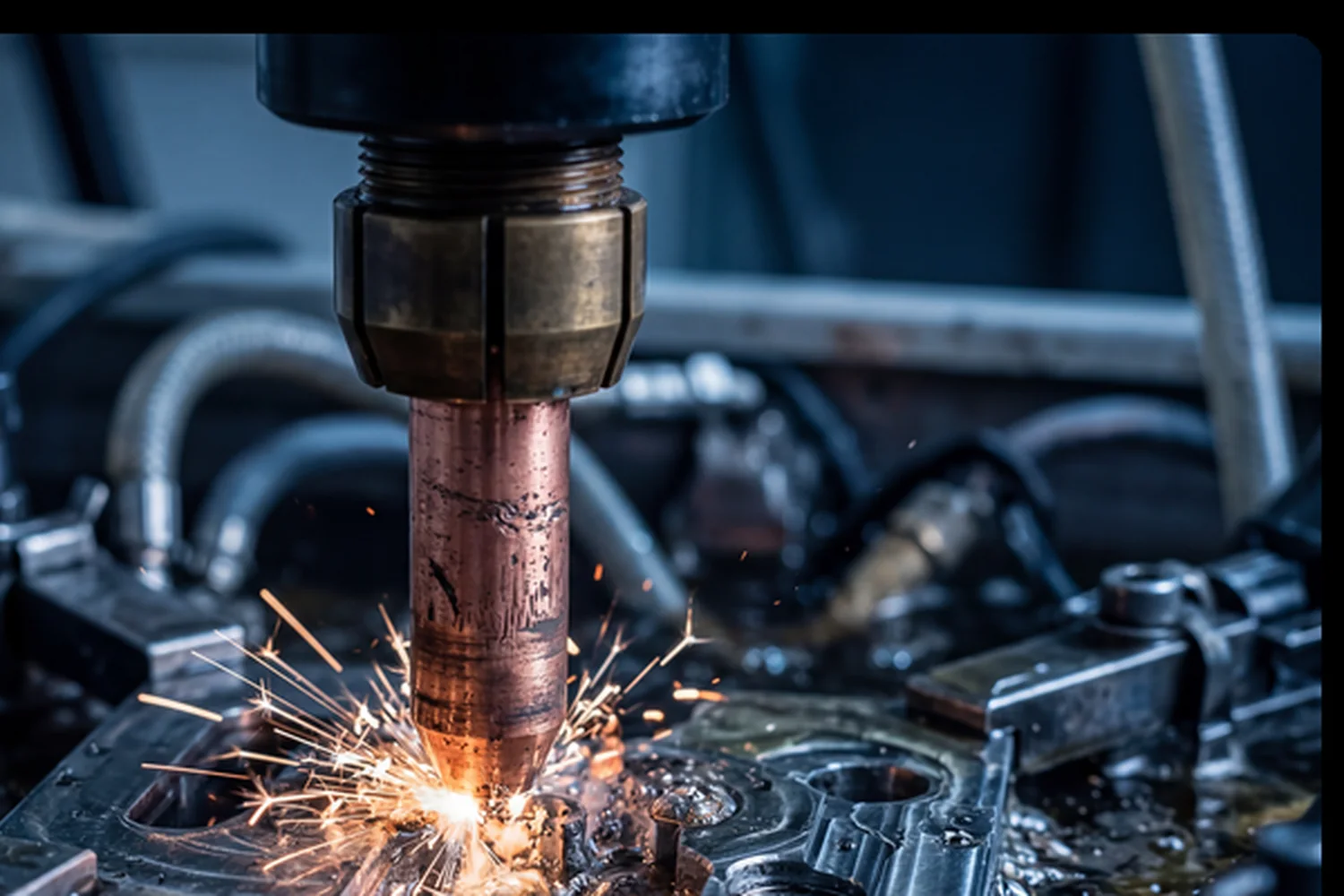
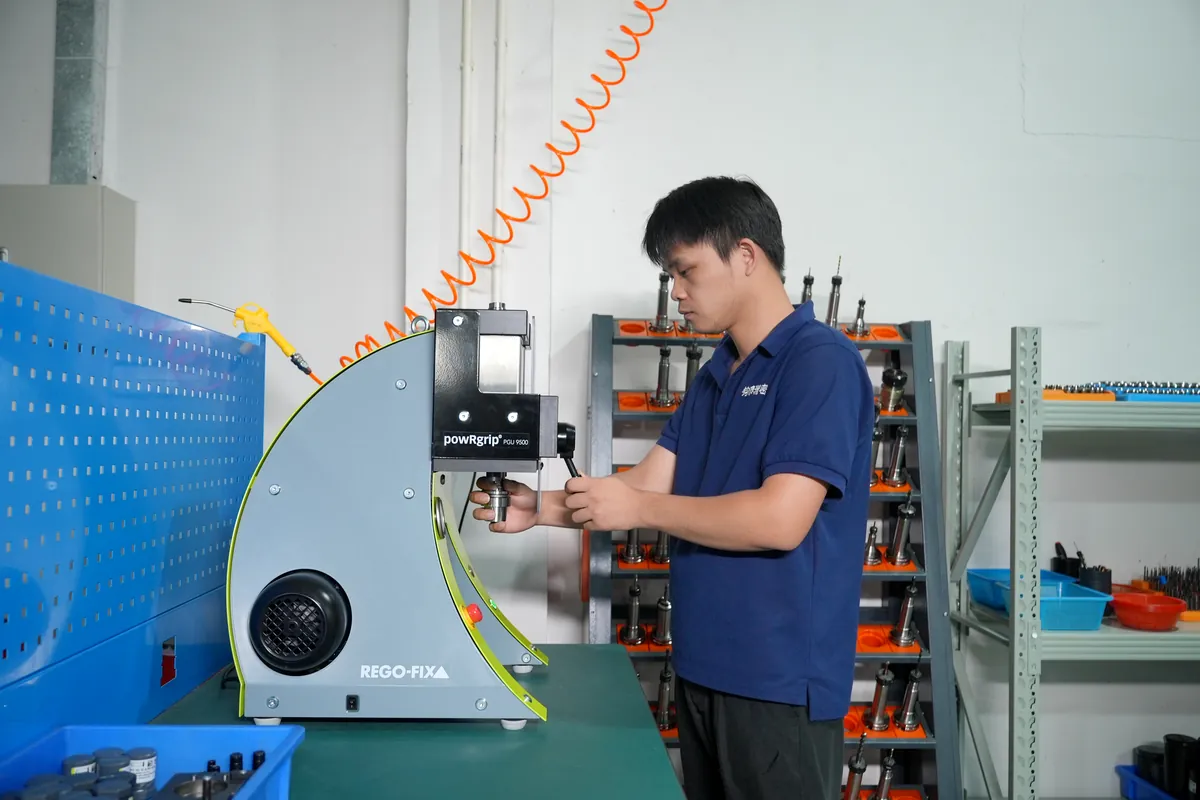
Representative EDM process image. Equipment evidence is stated separately.
Start with access, material conductivity and the feature that makes conventional cutting difficult.
Wire EDM can support electrically conductive parts when a through-profile is difficult to reach with a conventional cutter.

Makino Low-Speed Wire Cut
The equipment record supports drawing reviews for conductive parts with detailed through-profiles and tight feature relationships.
The process is most useful when feature access, conductive material or cutting force changes the manufacturing decision.

Profiles and cutouts that require a continuous wire path through conductive stock.
Drawing-defined inserts or plates where internal feature relationships matter.
Thin sections or fine geometry that benefit from a low-force material-removal route.
Wire EDM planning is a sequence of access, material, path, surface and verification decisions.
Confirm a through-path, corner intent, thickness and critical datum relationships.
Check conductivity, grade, heat treatment and surfaces that must be protected.
Define start strategy, wire path, workholding, pass strategy and release sequence.
Verify agreed dimensions, edge condition and relation to previously machined features.
EDM quality planning focuses on the profile and how it relates to the rest of the machined component.


Give the engineer enough information to confirm access, material fit and feature intent.
Share the drawing package and identify the feature that controls fit, function, inspection or delivery.
Start RFQ