WhatsApp:+86 18998711344

Email:info@taimachining.com

Use the FAQ to clarify common questions about drawings, CAD files, materials, tolerances, finishing, inspection reports, lead time, documentation, and packing before sending an RFQ.
Buyer resource
Material selection for CNC machined components should connect the drawing, function, finish expectations, inspection needs, and operating environment. TaiMachining reviews material requirements with buyers so the manufacturing route can be discussed before a quote or production order moves forward.
Material selection for CNC machined components should connect the drawing, function, finish expectations, inspection needs, and operating environment. TaiMachining reviews material requirements with buyers so the manufacturing route can be discussed before a quote or production order moves forward.
Aluminum is often discussed for lightweight housings, plates, brackets, covers, fixtures, and equipment components. Buyers should specify the required grade, surface finish, cosmetic expectations, thread details, and any dimensions or faces that are critical to assembly.
Stainless steel may be selected when corrosion resistance, strength, cleanability, or long-term appearance matters. RFQs should identify the grade, functional surfaces, passivation or finish expectations, and inspection points that affect fit or performance.
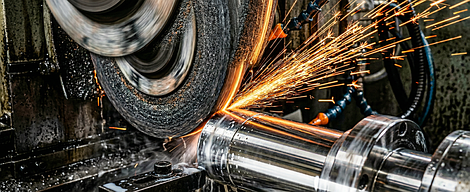
Carbon and alloy steel are often considered for stronger shafts, tooling-related components, wear-related parts, and structural details. If heat treatment, coating, hardness, or grinding is needed, those requirements should be discussed with the drawing before production.
Brass and copper parts may be used for electrical, thermal, fluid, fitting, or threaded applications. Buyers should clarify conductivity needs, burr-control expectations, thread requirements, surface finish, and any features that are sensitive to deformation.
Engineering plastics can support insulating, lightweight, fixture, wear, or non-metallic component needs. The drawing should identify the exact plastic type when required, along with tolerance expectations, stability concerns, surface finish, and any mating features.
A useful RFQ includes the drawing revision, CAD data when available, required material or acceptable alternatives, quantity, finish notes, critical dimensions, inspection expectations, and documentation requirements. If substitute materials are acceptable, that should be stated clearly.


Address:No.7, Hetang Road, Qingshuiao, Wanjiang District, Dongguan City, Guangdong Province of China

Phone:+86 18998711344

Email:info@taimachining.com

Working:Monday - Friday: 8:00 AM - 6:00 PM PST


 Talk to Our Team
 Start Production