




 Talk to Our Team
 Start Production

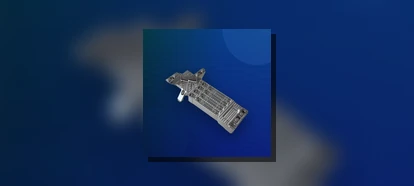
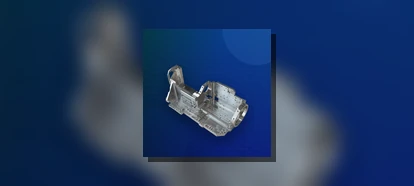

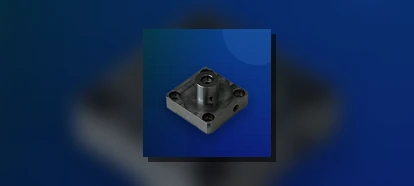

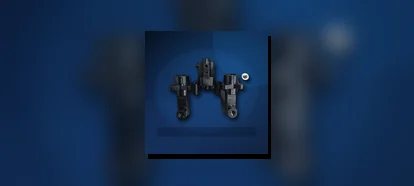

Dental implant components look small, but the machining review is rarely simple. Platform geometry, thread-adjacent features, narrow slots, clean edges, and surface expectations all need to be considered before a prototype or production lot is quoted.
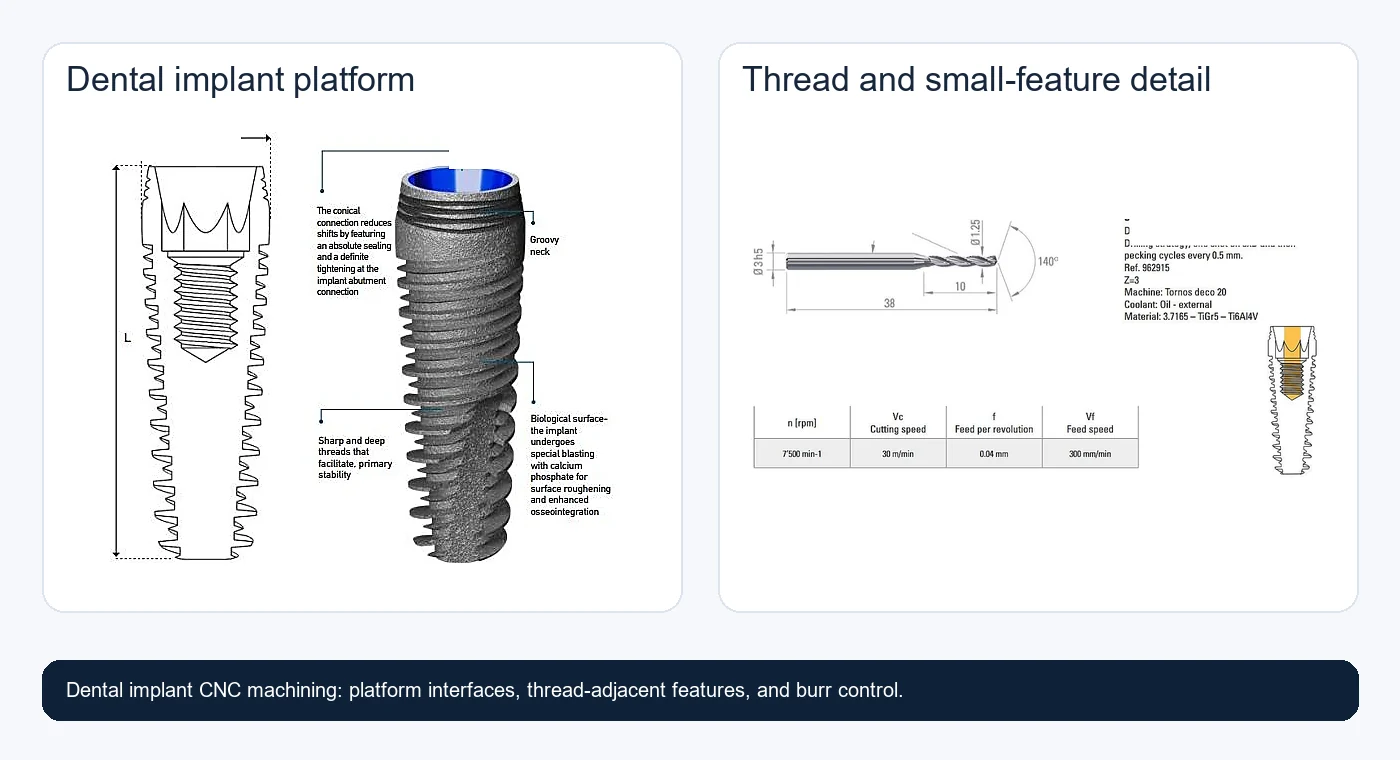
Why dental implant features are difficult to machine
Dental implant parts often combine compact diameters with functional interfaces. A small change around a platform, thread, slot, or edge can affect fit, handling, cleaning, or inspection. For CNC suppliers, the challenge is not only cutting the shape; it is keeping the edge condition and surface stable across repeated batches.
Thread and platform details need early review
Thread-adjacent geometry, platform faces, internal pockets, and narrow transitions should be reviewed before machining starts. Tool access, cutting direction, burr formation, and post-machining cleanup can change how the final part behaves. Early review also helps decide whether a feature should be milled, turned, ground, or handled with another secondary process.
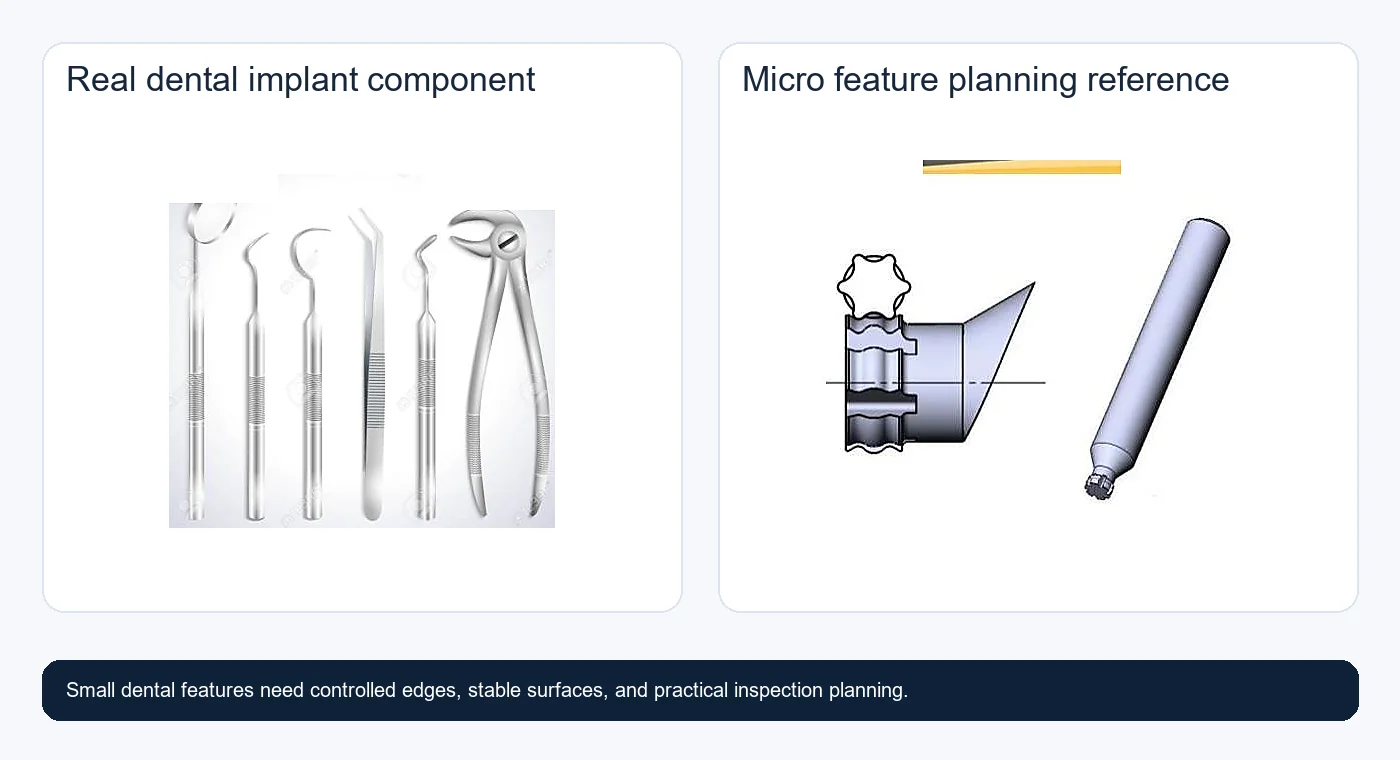
Burr control matters around small interfaces
Burrs near threads, edges, holes, or mating faces can create problems during assembly and handling. A practical drawing review should separate cosmetic edges from functional edges, then define where controlled deburring is required. Suppliers should also explain how small features are protected during cleaning, inspection, and packing.
Surface finish and material discipline
Dental-related parts may use titanium, stainless steel, cobalt-chrome, PEEK, or other engineering materials depending on the application. Material grade, certificate handling, lot traceability, and surface expectations should be clear before quotation. Surface finish notes should also explain which faces are functional and which are mainly visual.
Inspection planning for small dental parts
Small features need practical inspection methods. Depending on the drawing, inspection may involve thread gauges, pin gauges, optical checks, CMM review, surface roughness checks, or profile comparison. The supplier should know which features control fit and which dimensions need recorded inspection data.
What to include in a dental CNC RFQ
- 2D drawing with revision level and critical dimensions.
- 3D CAD file for feature review and tool-access planning.
- Material grade, certificate requirements, and lot traceability needs.
- Surface finish, edge-break, deburring, and cleaning expectations.
- Prototype quantity, production target, inspection report requirements, and packaging notes.
Need dental implant CNC features reviewed?
Send drawings, CAD files, material notes, quantity, finish requirements, and inspection expectations. TaiMachining can review the practical machining route before quotation.
Send dental CNC drawings for review