




 Talk to Our Team
 Start Production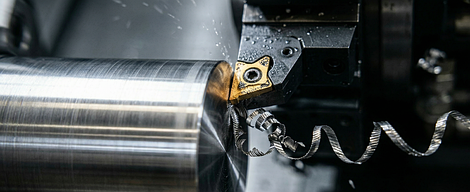
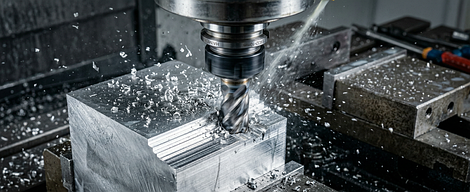
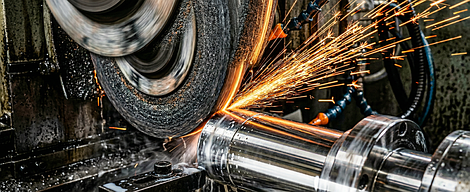
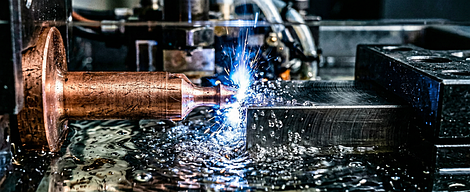
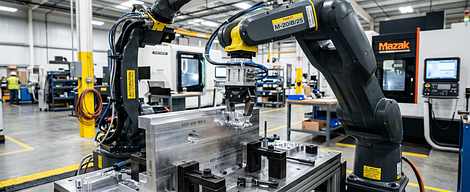






Medical device projects often bring together small features, difficult materials, clean documentation, and a low tolerance for supplier instability. CNC machining is not only about holding a drawing dimension; it is also about keeping the process repeatable from prototype validation through production release.
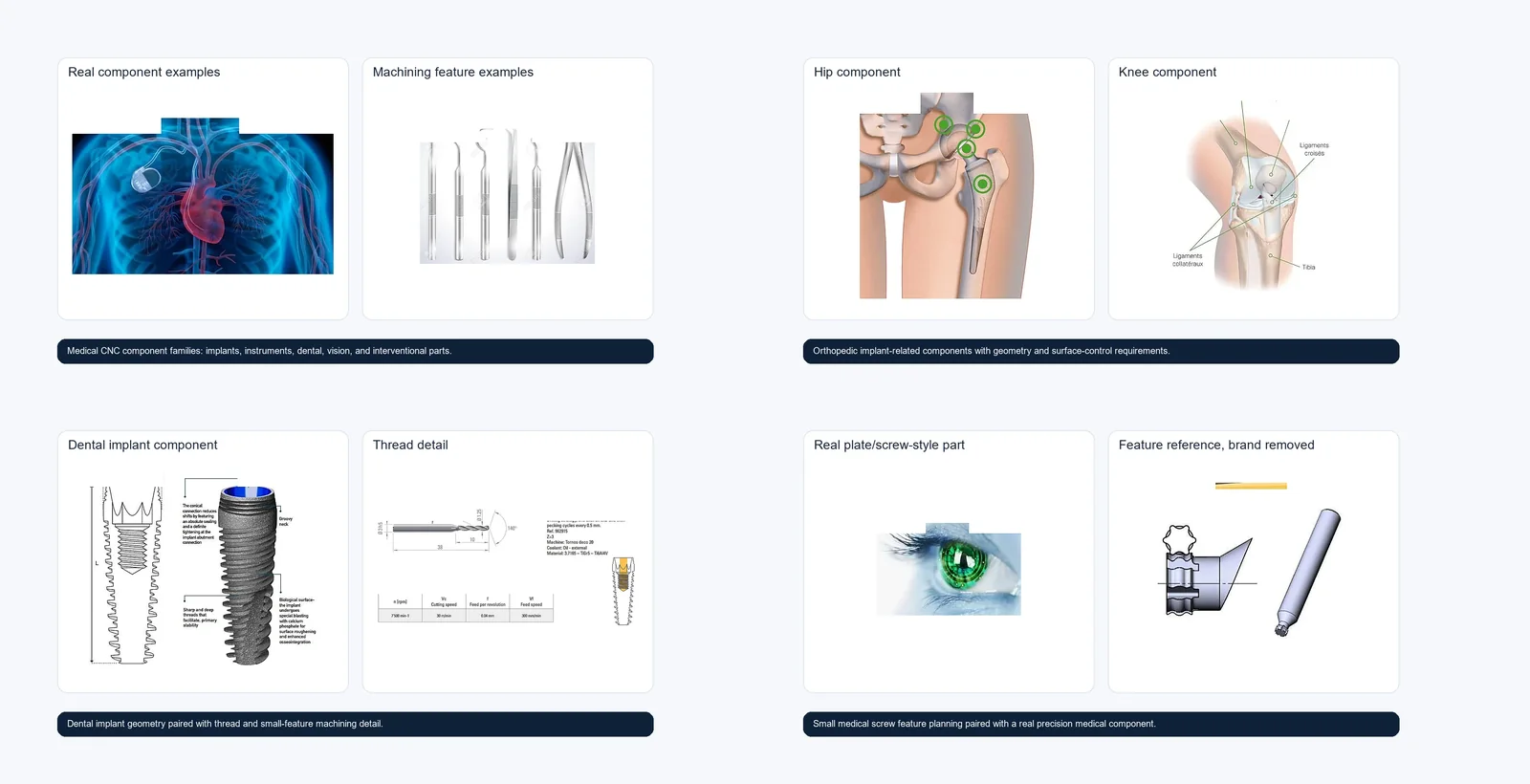
Where CNC machining fits in medical devices
Common CNC-machined medical parts include orthopedic implant trials and instruments, dental implant components, surgical tool features, interventional device components, and small mechanical assemblies used in diagnostic or vision-related systems. These parts often combine compact geometry with tight tolerance zones, burr-control requirements, and materials such as titanium, stainless steel, cobalt-chrome, PEEK, and engineering plastics.
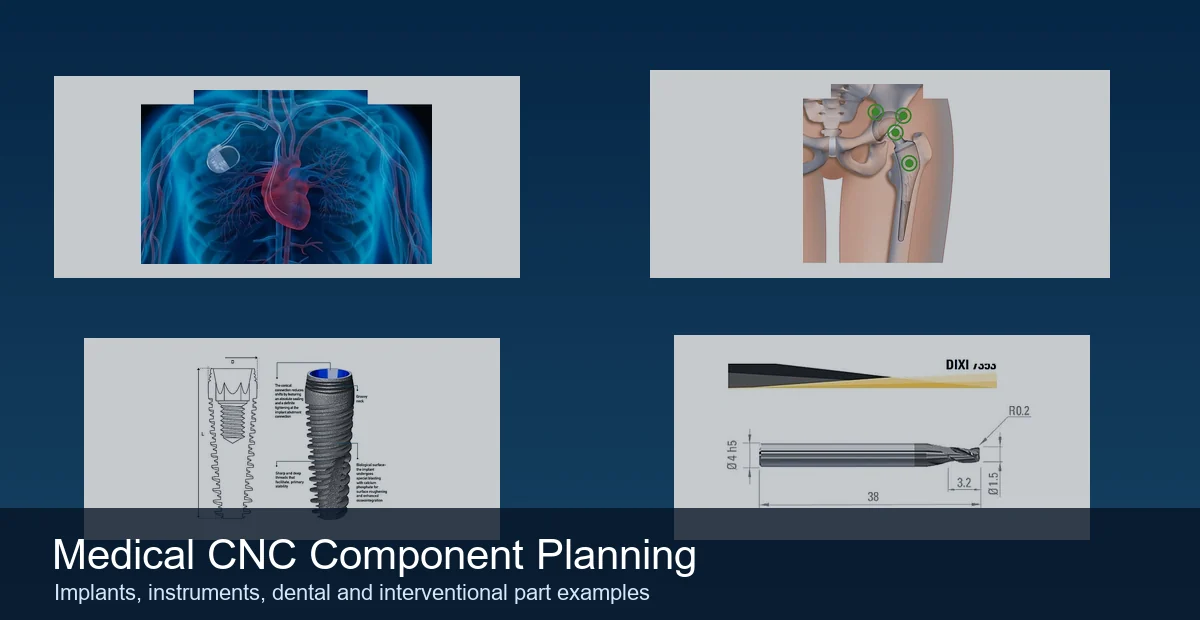
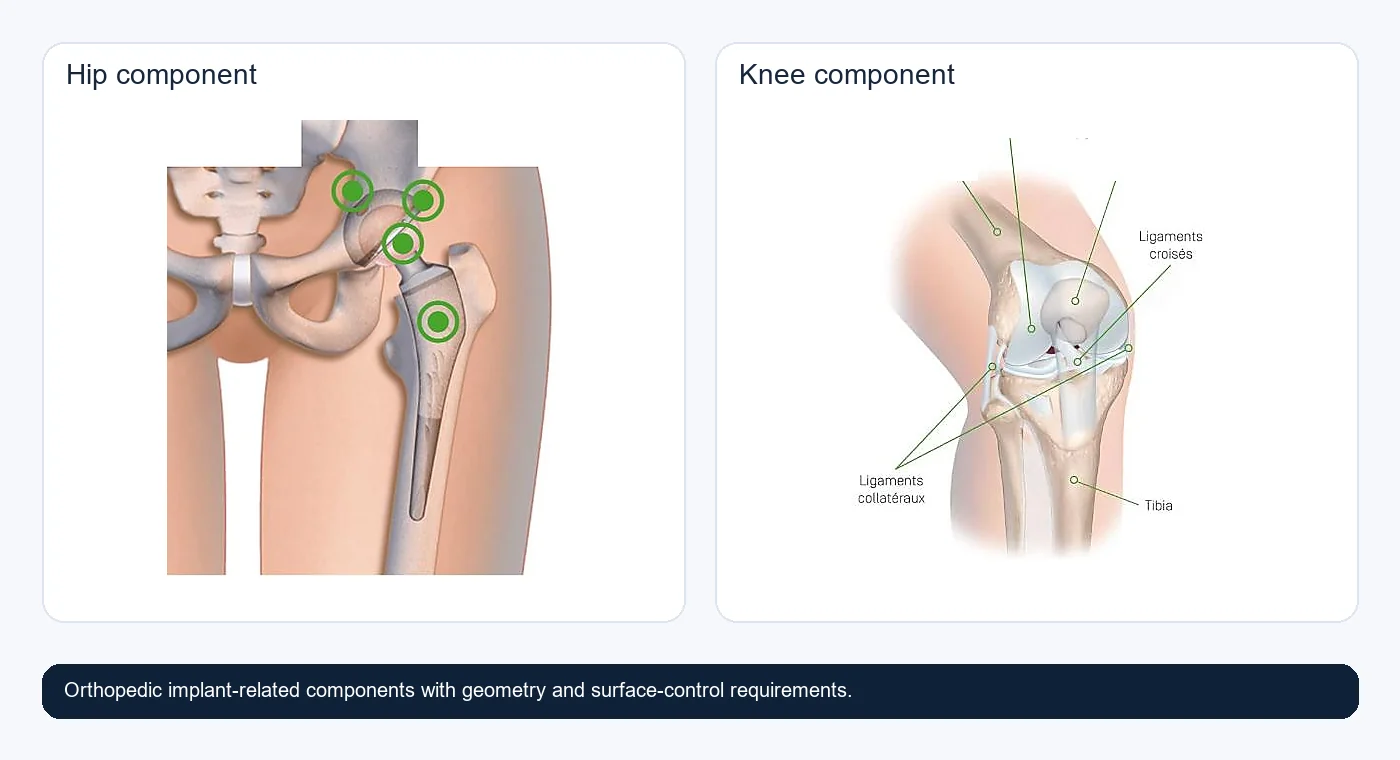
Implant-related components need stable geometry
Hip and knee systems illustrate why stable machining matters. Mating surfaces, tapers, slots, pockets, and curved profiles must be controlled without introducing avoidable surface damage. Even when the machined item is a trial, fixture, or instrument rather than a permanent implant, the supplier still needs disciplined inspection, traceable materials, and a process that can be repeated when the design changes.
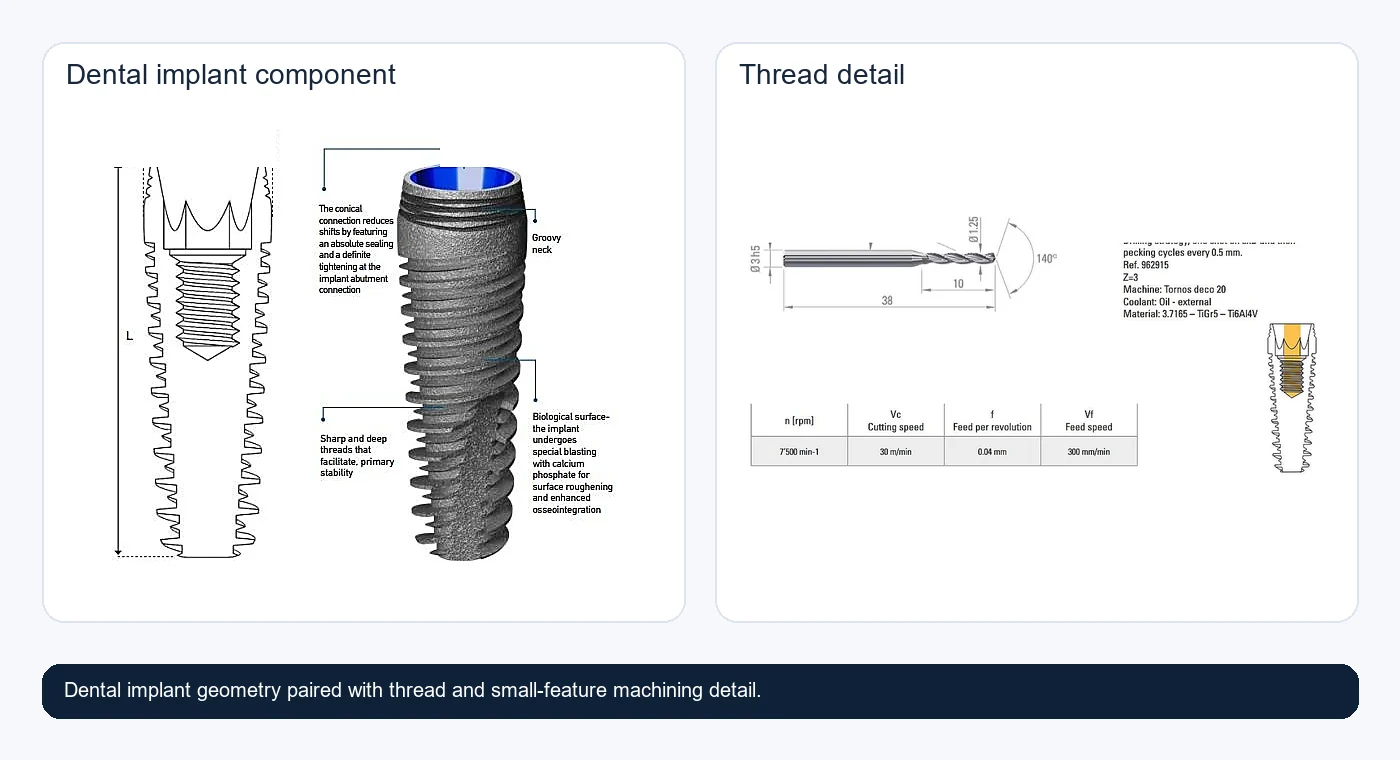
Dental and micro-feature parts raise the bar
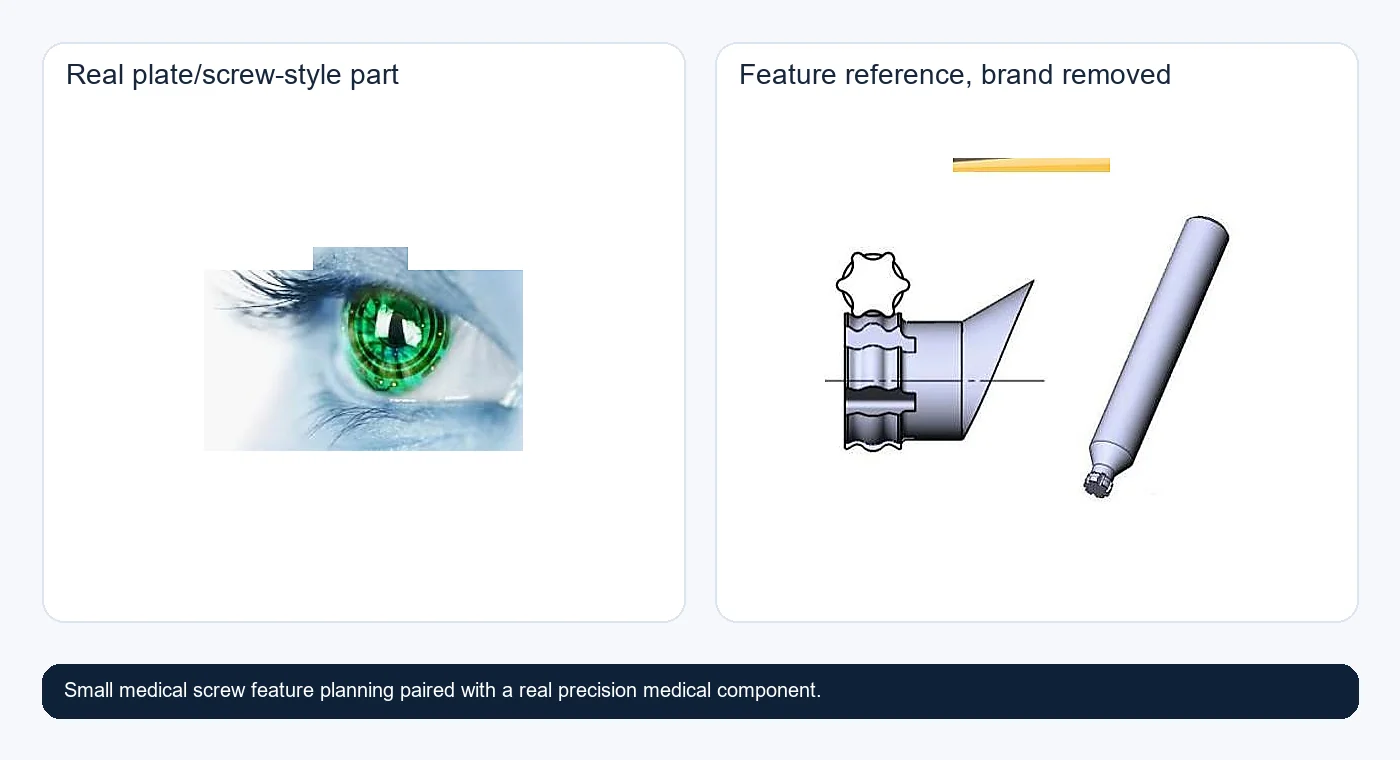
Dental platforms and small medical screws create different challenges: small diameters, narrow slots, thread-adjacent features, and clean edges after machining. Tool access, deburring strategy, and inspection planning should be discussed early, especially when a part moves from a prototype batch to a validated production lot.
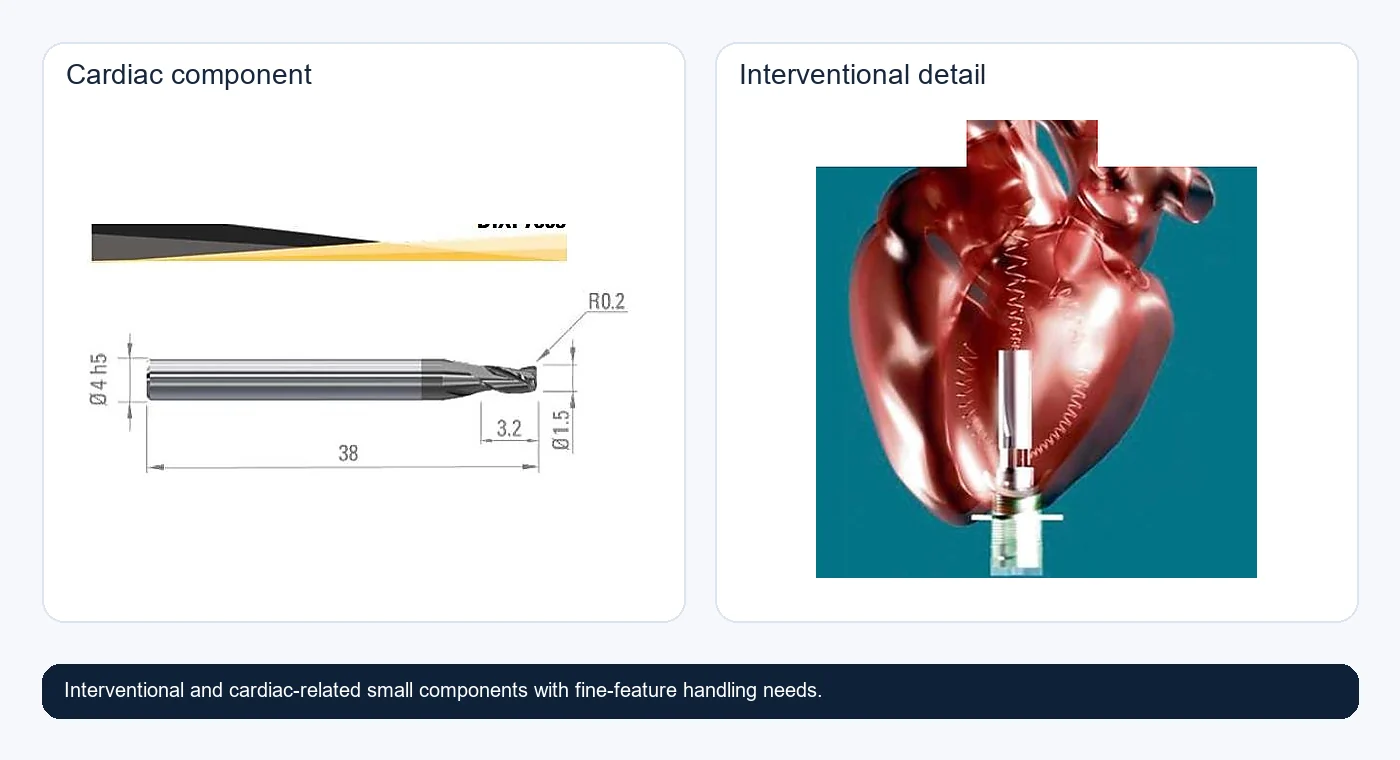
Interventional components require controlled small-part handling
Interventional and cardiac-related components may involve thin walls, fine features, and materials that are sensitive to handling damage. A practical supplier should be able to explain how parts are fixtured, how burrs are controlled, how critical dimensions are inspected, and how production feedback is captured for the next batch.
What to check before choosing a CNC supplier
- Material discipline: confirm grade, certificate handling, lot traceability, and substitute-material rules.
- Prototype-to-production support: make sure the supplier can support both small validation lots and stable repeat orders.
- Inspection planning: define critical-to-quality dimensions, surface requirements, and inspection records before machining starts.
- Deburring and cleanliness: discuss edge-break expectations, cleaning, packaging, and contamination control.
- Engineering communication: choose a team that can flag manufacturability risks instead of silently machining a weak design.
Need medical CNC components reviewed?
Send drawings, CAD files, material notes, quantity, finish requirements, and inspection expectations. TaiMachining can review the practical machining route before quotation.
Send drawings for medical CNC review