

Tight Tolerances
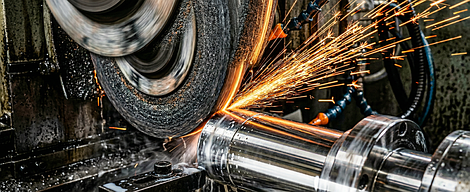
Tolerances as tight as ±0.002 inches for critical applications
Material Compatibility
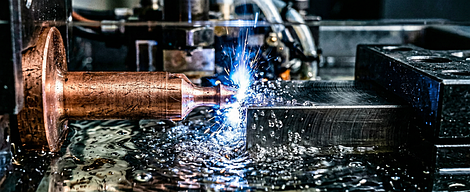
Expertise in machining a wide range of metals and alloys
Complex Geometries
Capability to machine complex designs with high precision
Enhanced Machining Capabilities
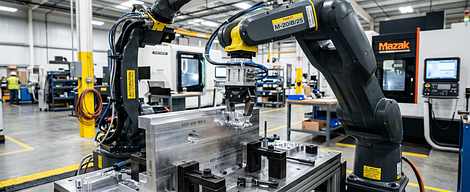
Precision milling utilizes multi-axis simultaneous machining to efficiently process complex surfaces, hole patterns, and contours in a single setup, ensuring consistent geometric accuracy and surface quality.
Handling Geometric Complexity
Milling technology can machine complex structures such as deep cavities, thin walls, and irregular surfaces, providing component solutions for industries like aerospace and medical equipment that are difficult to achieve with traditional processes.
Optimized Production Efficiency
High-speed cutting and automated tool-changing systems significantly reduce machining time per part while minimizing process transfers and manual intervention, offering customers more competitive lead times.
Consistent and Reliable Quality
End-to-end online inspection and closed-loop control systems ensure high consistency in dimensional and geometric tolerances for every product, providing traceable quality assurance for critical applications.
Advanced Inspection
Coordinate Measuring Machines (CMM) and optical inspection systems verify dimensional accuracy to within ±0.0001"
Process Validation
Statistical Process Control (SPC) ensures consistent quality throughout production runs
Material Testing
Comprehensive material analysis and testing to verify mechanical properties and composition
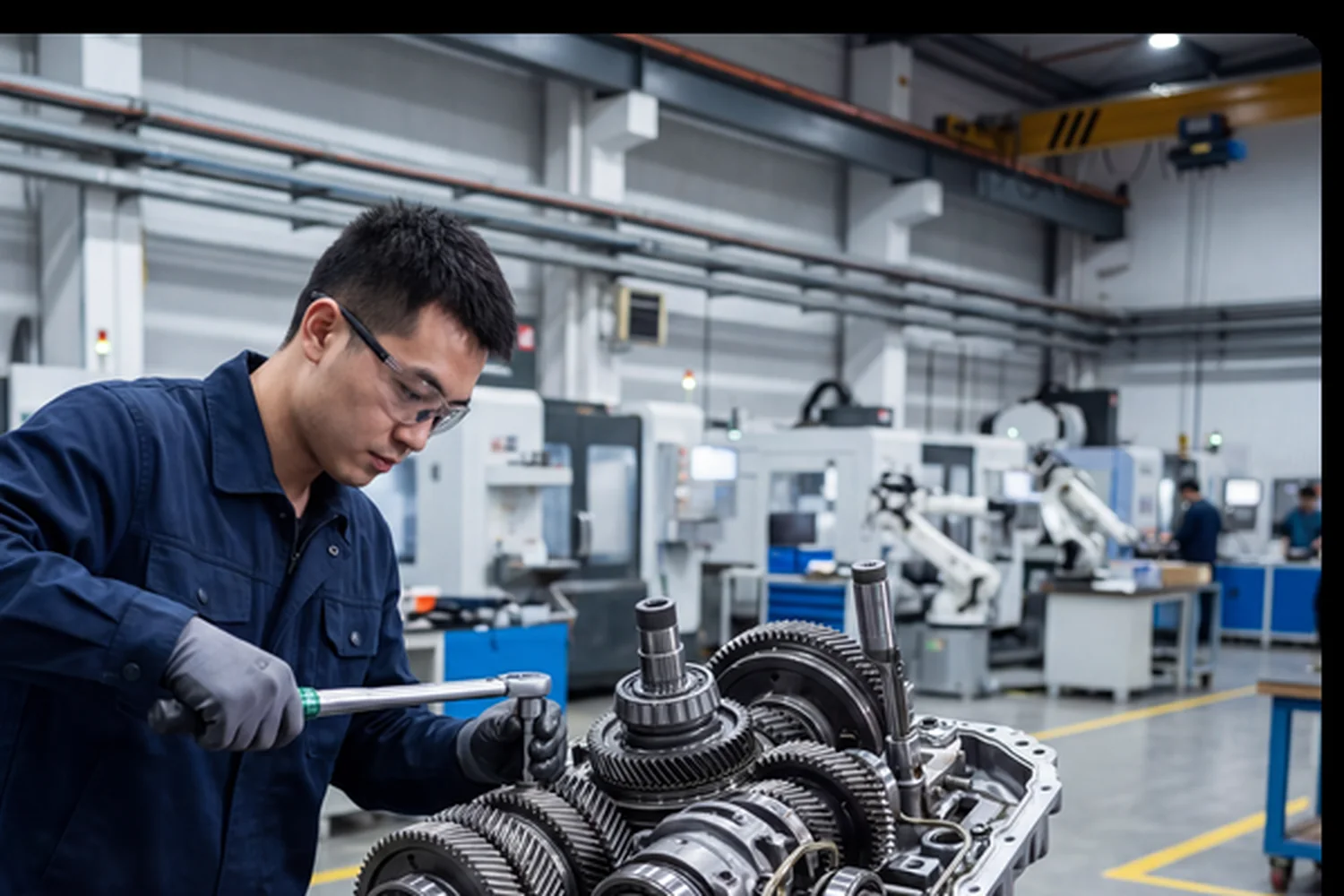
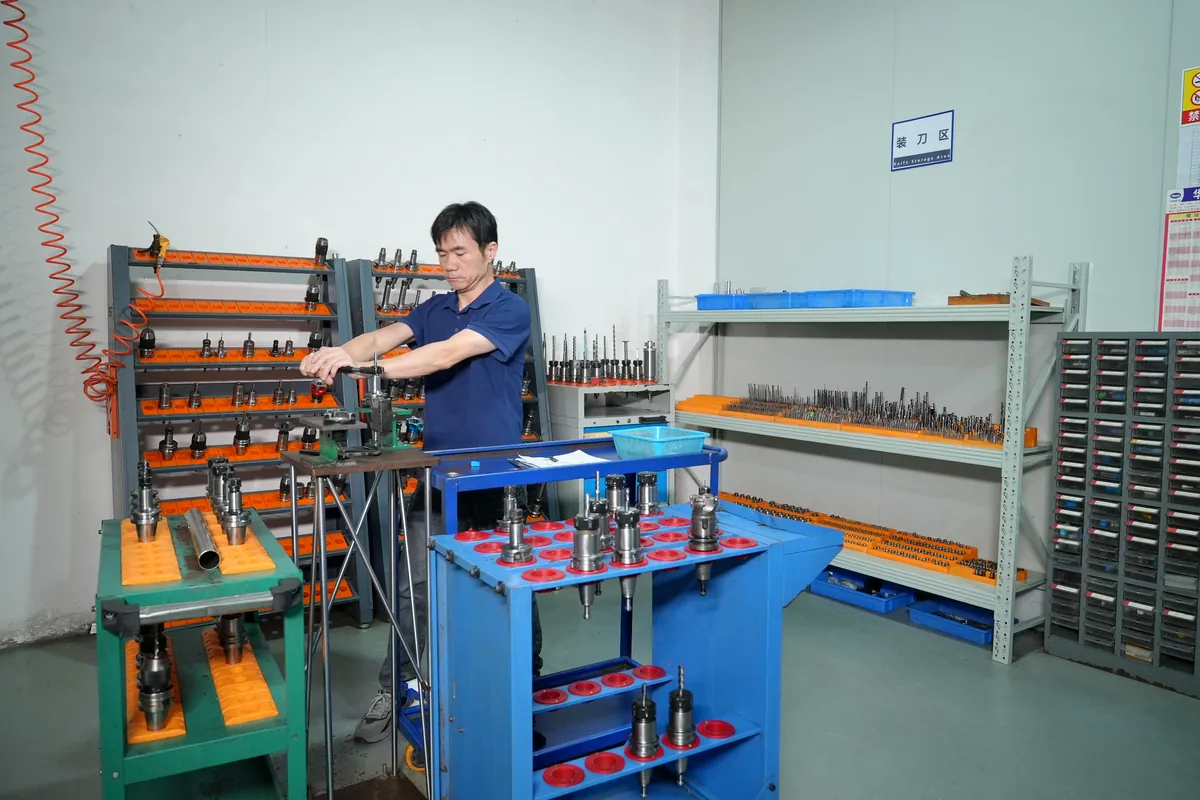
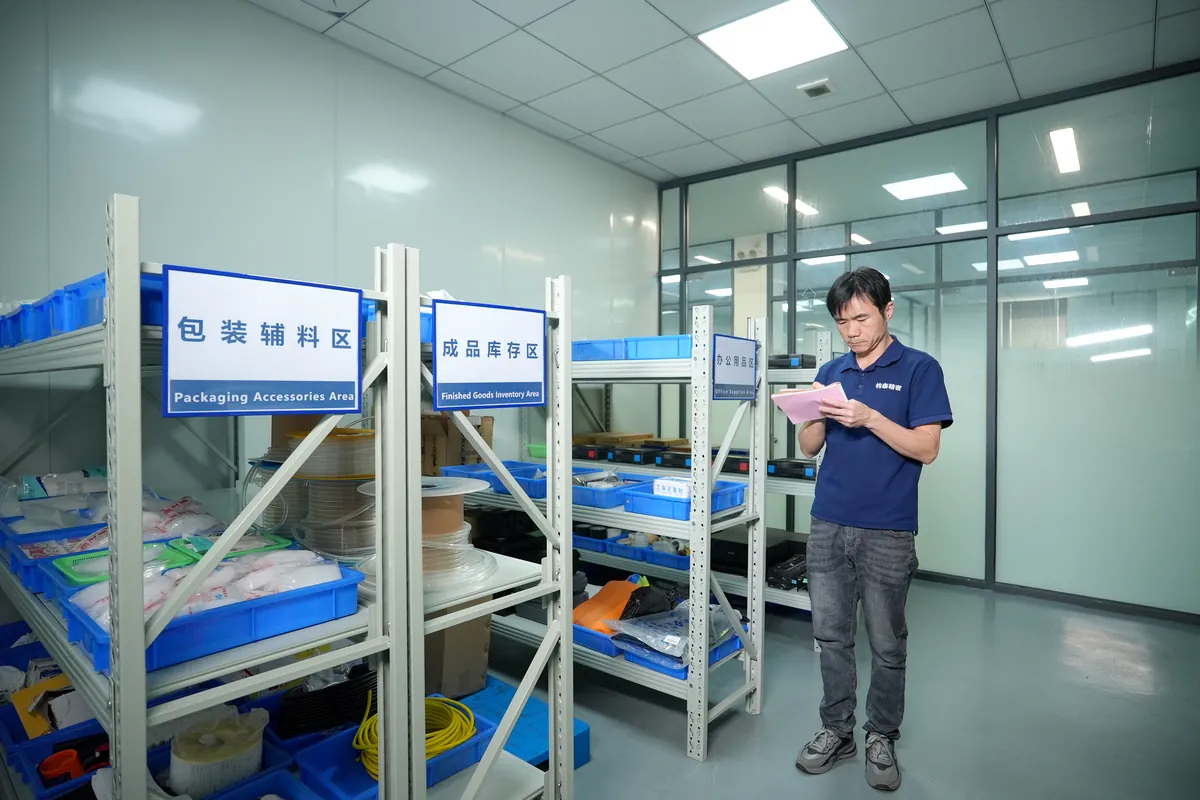
TaiMachining's mechanical assembly support helps buyers discuss machined components, purchased hardware, inspection steps, and packaging requirements as one coordinated procurement package.
Mechanical assembly is useful when a buyer wants machined parts supplied together with hardware, fitting, simple subassembly checks, or packaging requirements. The scope should be defined by drawings, bills of materials, and inspection notes.
Typical assembly discussions may include machined brackets with hardware, small mechanical subassemblies, fitted components, spacer and sleeve combinations, equipment parts, and parts that need labeling or packaging by set.
Assembly planning should account for material compatibility, surface finish, plating or coating requirements, purchased hardware, and how parts should be protected during packing and shipment.
For assembled components, inspection planning usually focuses on fit, orientation, visible damage, required hardware, key dimensions after assembly, and documentation that the buyer needs with the shipment.
For an assembly quote discussion, send part drawings, assembly drawings, bills of materials, hardware requirements, quantities, inspection notes, packaging requirements, and any labeling or documentation needs.
Share drawings, material, quantity, finish expectations, and inspection notes so the team can review the manufacturing route and discuss the next step.