

Control a functional datum face
Surface grinding can refine a broad face when the drawing defines its relationship to the rest of the part.
Finish critical faces for reliable fit, sealing and assembly. Every route starts with the drawing and functional surface.

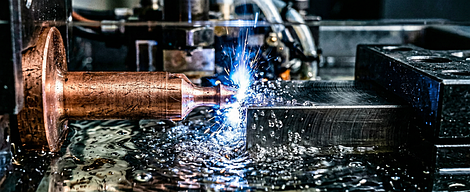
Representative process image for capability and RFQ discussion.
The correct grinding route begins with what the finished surface must control inside the part or assembly.
Surface grinding can refine a broad face when the drawing defines its relationship to the rest of the part.

Okamoto Surface Grinder
The equipment record supports surface-grinding discussions for critical faces after milling or turning. Final part capability still depends on the complete requirement.
Grinding is commercially useful when the controlled surface can be tied to fit, motion, sealing or final assembly.

Plates, fixture bodies and components whose reference face affects downstream location.
Components where thickness or paired faces influence stack height and alignment.
Functional faces that must seat, locate or seal against another component.
Each stage answers a different technical question before the finished component is released.
Identify the functional face, datum strategy, material state and prior machining.
Confirm stock allowance, support strategy, process sequence and measurement method.
Control named faces while protecting adjacent geometry and finished features.
Verify agreed characteristics and prepare requested shipment records.
A grinding result is useful only when the functional requirement and verification method are agreed before production.


Send enough context to connect the grinding requirement to the part's final function.
Share the drawing package and identify the feature that controls fit, function, inspection or delivery.
Start RFQ