


 Talk to Our Team
 Start Production





 5-AxisView details
Makino DA300
5-axis machining center for complex multi-sided milled components.
450×620×500 mm±0.003 mmQty: 6Japan



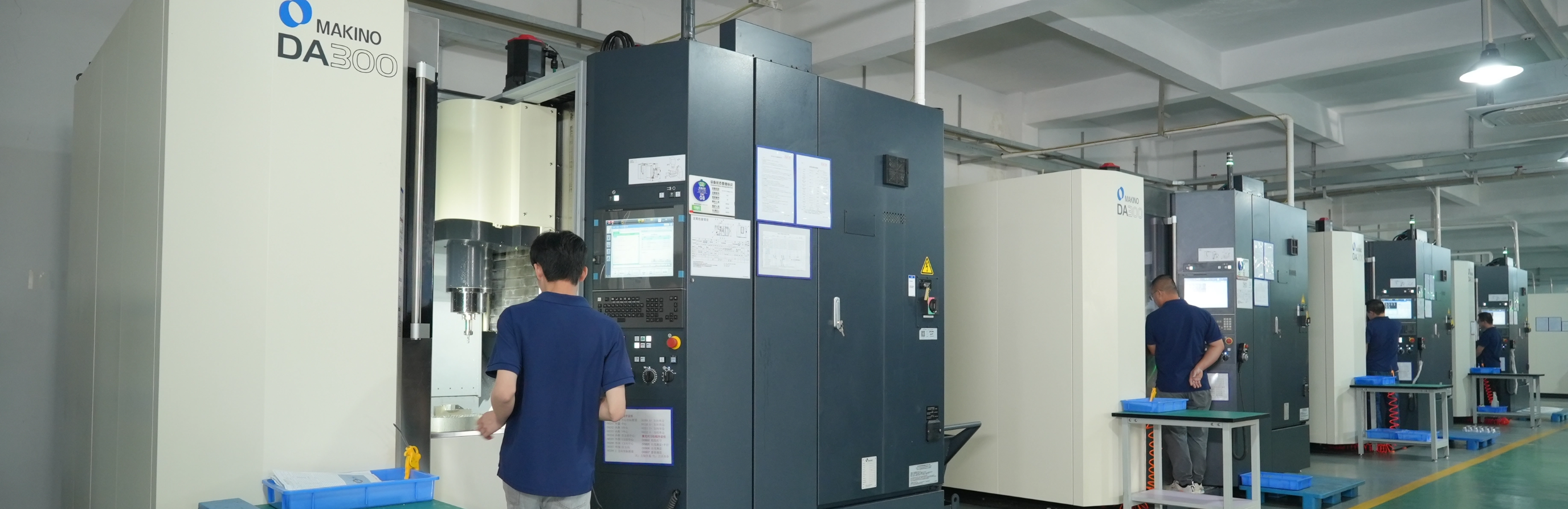
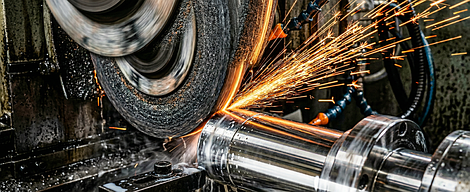
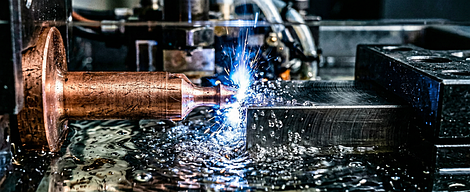
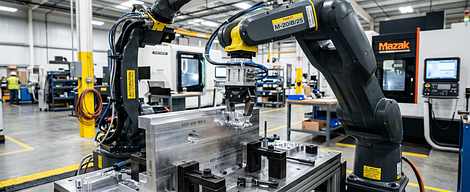
Review TaiMachining's milling equipment for 3-axis, 4-axis, 5-axis, horizontal machining, grinding, wire cutting and tapping support. Click a machine card to view parameters.
Representative milled-part categories for plates, housings, brackets, fixtures, heat sinks and manifolds.
We machine common engineering alloys and high-performance plastics for drawing-based precision components. Review representative material options below and include material requirements in your RFQ.
 Q235 / A36
Rolled steel for common structures
Common standards / notesQ235A / A36 / SS400 / 1.0040
Q235 / A36Rolled steel for common structures
Common standards / notesQ235A / A36 / SS400 / 1.0040
 45 / 1045
Carbon steel for mechanical structures
Common standards / notes45 / 1045 / S45C / 1.0503
 40Cr / 5140
Chromium steel for mechanical construction
Common standards / notes40Cr / 5140 / SCr440 / 1.7035
 304 / SUS304
Common corrosion-resistant stainless steel for precision machined components.
Common standards / notes0Cr18Ni9 / AISI 304 / SUS304 / 1.4301
 316 / SUS316
Corrosion-resistant stainless steel for demanding environments.
Common standards / notes0Cr17Ni12Mo2 / AISI 316 / SUS316 / 1.4401
 Inconel 718
Nickel-chromium superalloy for high-value demanding components.
Common standards / notesGH4169 / Inconel718
 6061 Aluminum
General-purpose aluminum alloy for precision machined parts.
Common standards / notes6A02 / 6061 / A6061P / 3.3207
 7075 Aluminum
High-strength aluminum alloy for lightweight structural parts.
Common standards / notes7A04 / 7075 / A7075BE / 3.4365
Good machinability for fittings, bushings and instrument components.
Common standards / notesHPb61-1 / C36000 / C3604BE / 2.0401
 POM
POMEngineering plastic for wear-resistant precision components.
Common standards / notesAcetal / Delrin-type applications
POMEngineering plastic for wear-resistant precision components.
Common standards / notesAcetal / Delrin-type applications
 PA / Nylon
Tough engineering plastic for functional parts and bushings.
Common standards / notesNylon / PA applications
 PEEK
PEEKHigh-performance plastic for strength, thermal stability and chemical resistance.
Common standards / notesMedical, semiconductor, aerospace and instrumentation components
 PTFE
PTFELow-friction plastic for seals, insulation and chemical resistance.
Common standards / notesPTFE / Teflon-type applications
 PC
PCImpact-resistant transparent or functional plastic components.
Common standards / notesPolycarbonate applications
 ABS
ABSGeneral engineering plastic for housings and prototypes.
Common standards / notesABS applications
 PPS
PPSHigh-temperature engineering plastic for demanding environments.
Common standards / notesPPS applications
Surface finishing improves corrosion resistance, wear behavior, appearance and functional stability. Available finishing depends on material, geometry and end-use requirements.
Chromate conversion coating for aluminum parts where corrosion resistance and electrical conductivity are required.
Protective oxide layer for aluminum parts, improving appearance and corrosion resistance.
Dark finish for steel parts where appearance and mild protection are required.
Uniform matte texture to reduce machining marks and improve visual consistency.
Linear surface texture for visible metal parts and enclosure components.
Consistent coating for corrosion resistance and decorative requirements.
Improves smoothness and cleanability for stainless steel precision parts.
Conductive and corrosion-resistant plating for electrical contacts and selected precision components.
Controlled tool marks and deburring for functional machined parts.
Chemical treatment for stainless steel parts to improve corrosion resistance after machining.
Mechanical surface refinement for smoother appearance and reduced roughness.
Surface clarity improvement for selected plastic components and transparent features.
Protective zinc coating for steel parts where corrosion resistance is required.
Review practical CNC machining cases with real product photos, process considerations and buyer-focused engineering notes.
 Aerospace CNC
How staged machining, support strategy and datum planning reduce distortion in large aluminum aerospace parts.
Read guide → Semiconductor CNC
Stress relief, rigid tools, 5-axis setups and datum planning for thin-wall aluminum semiconductor components.
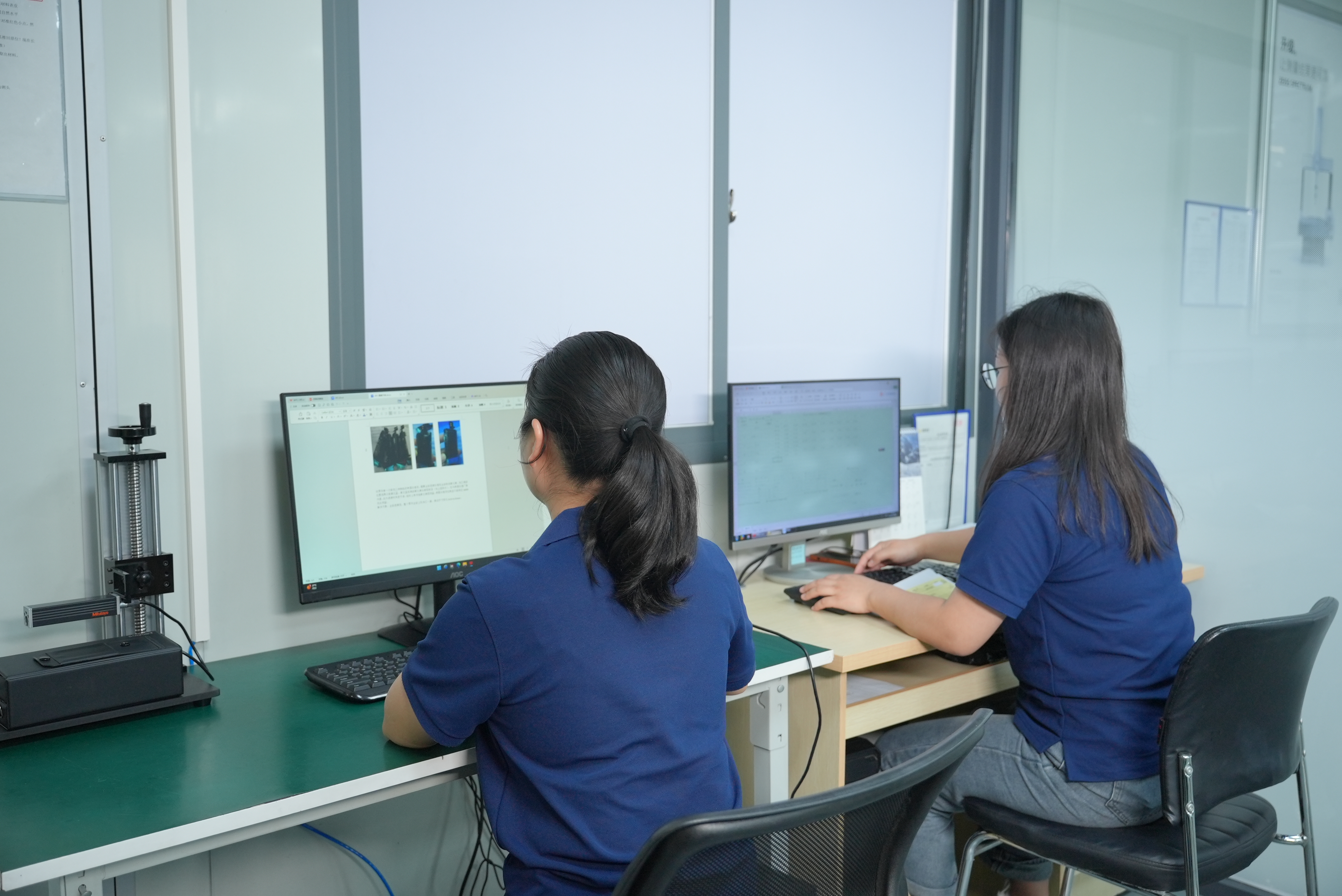
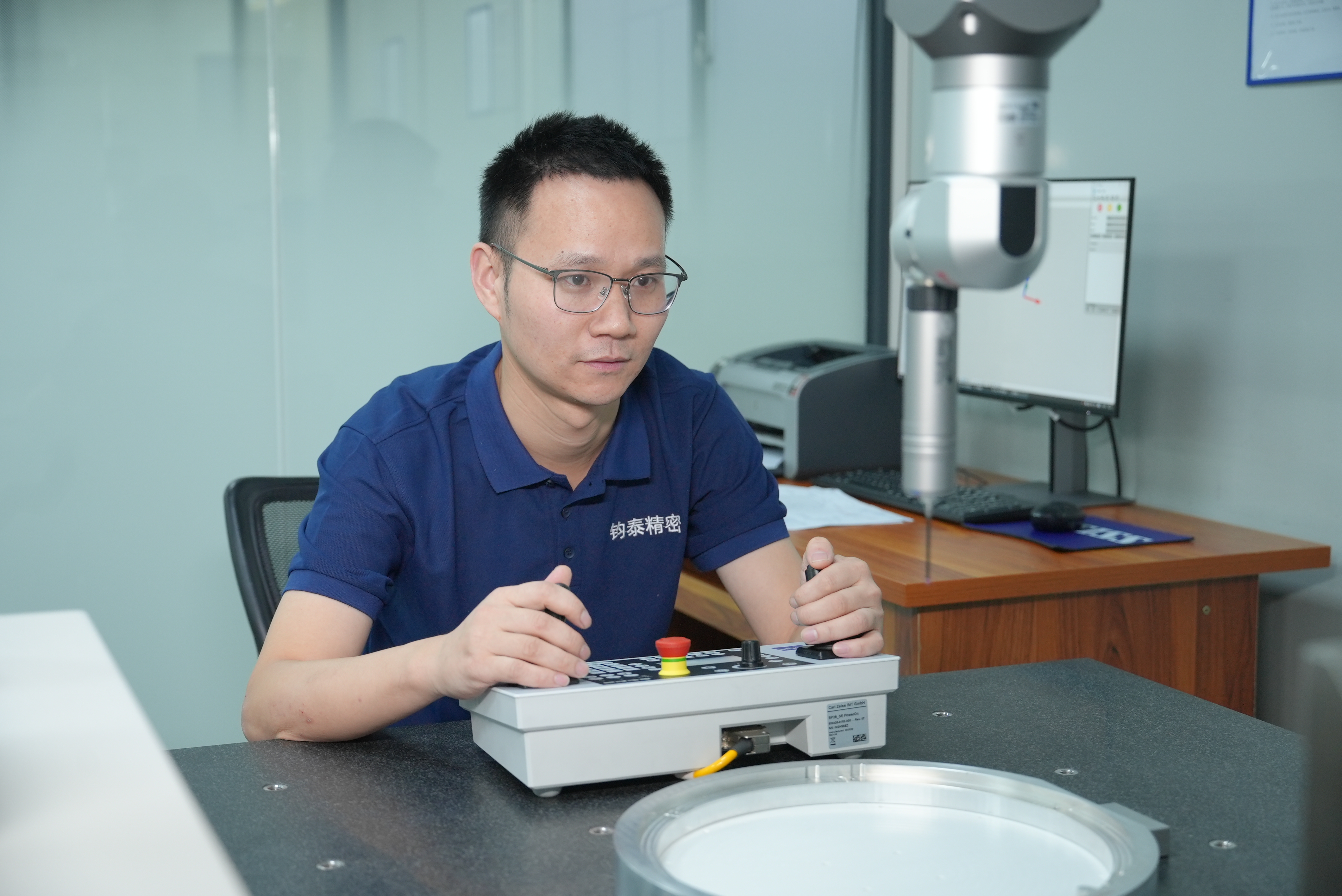
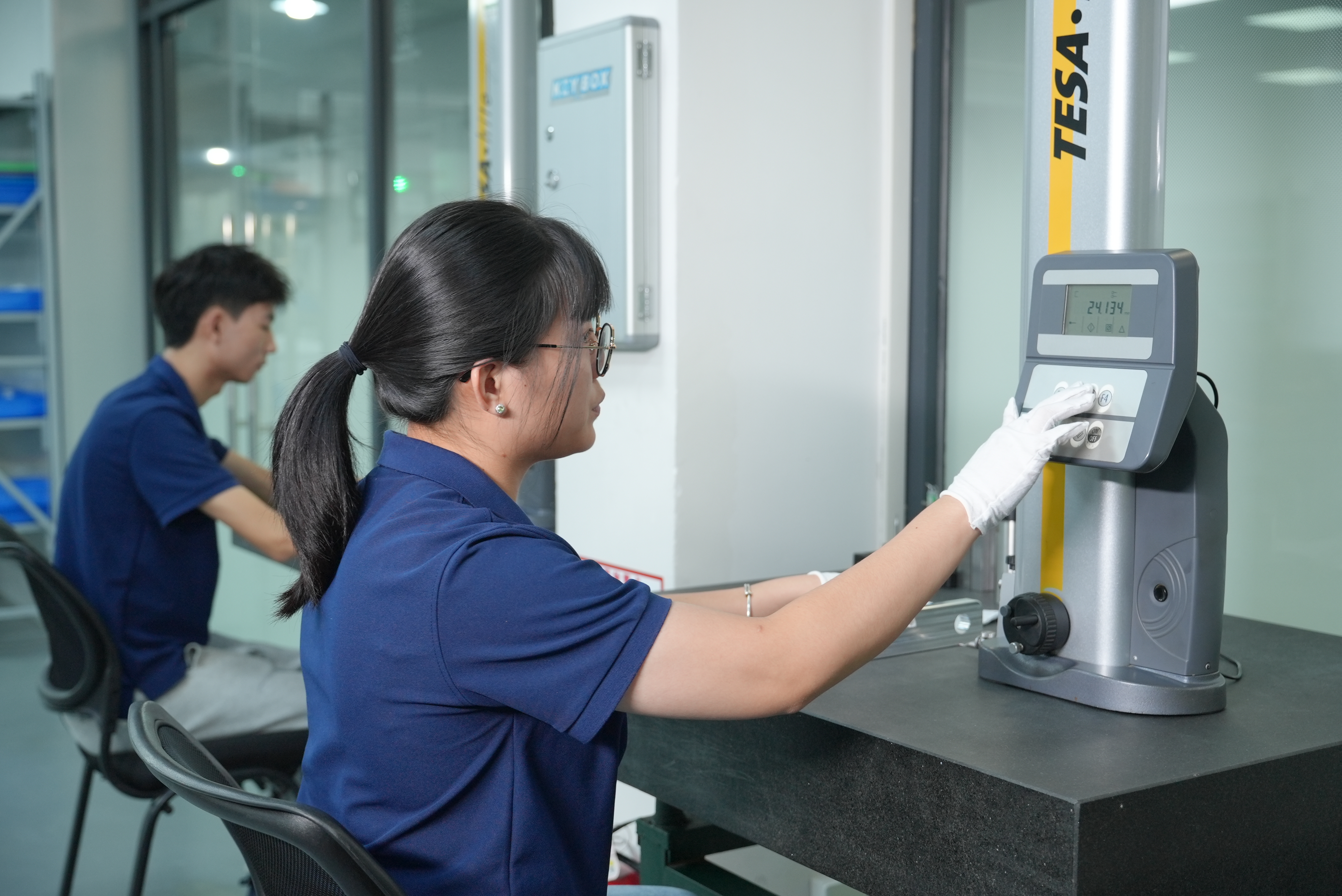
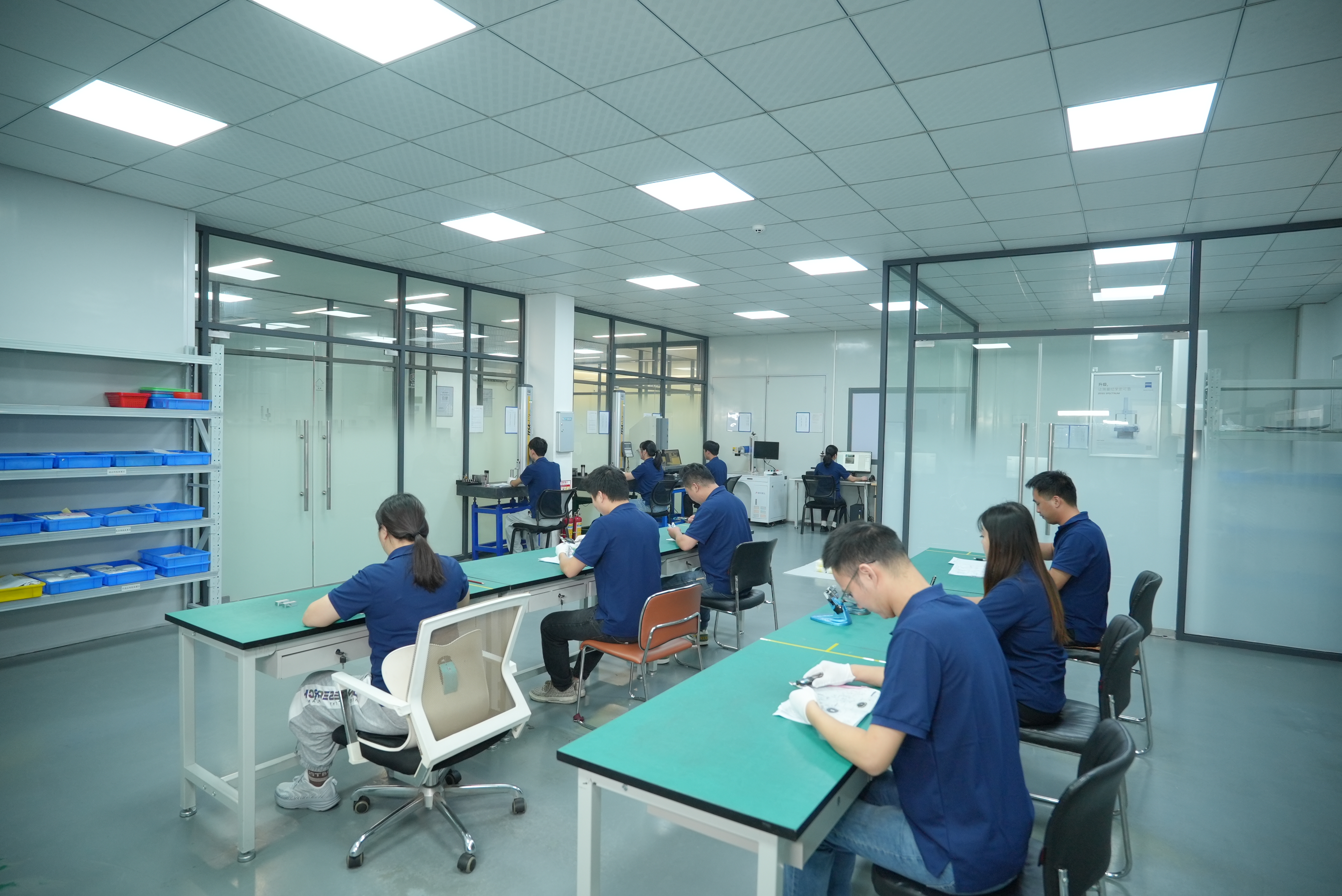
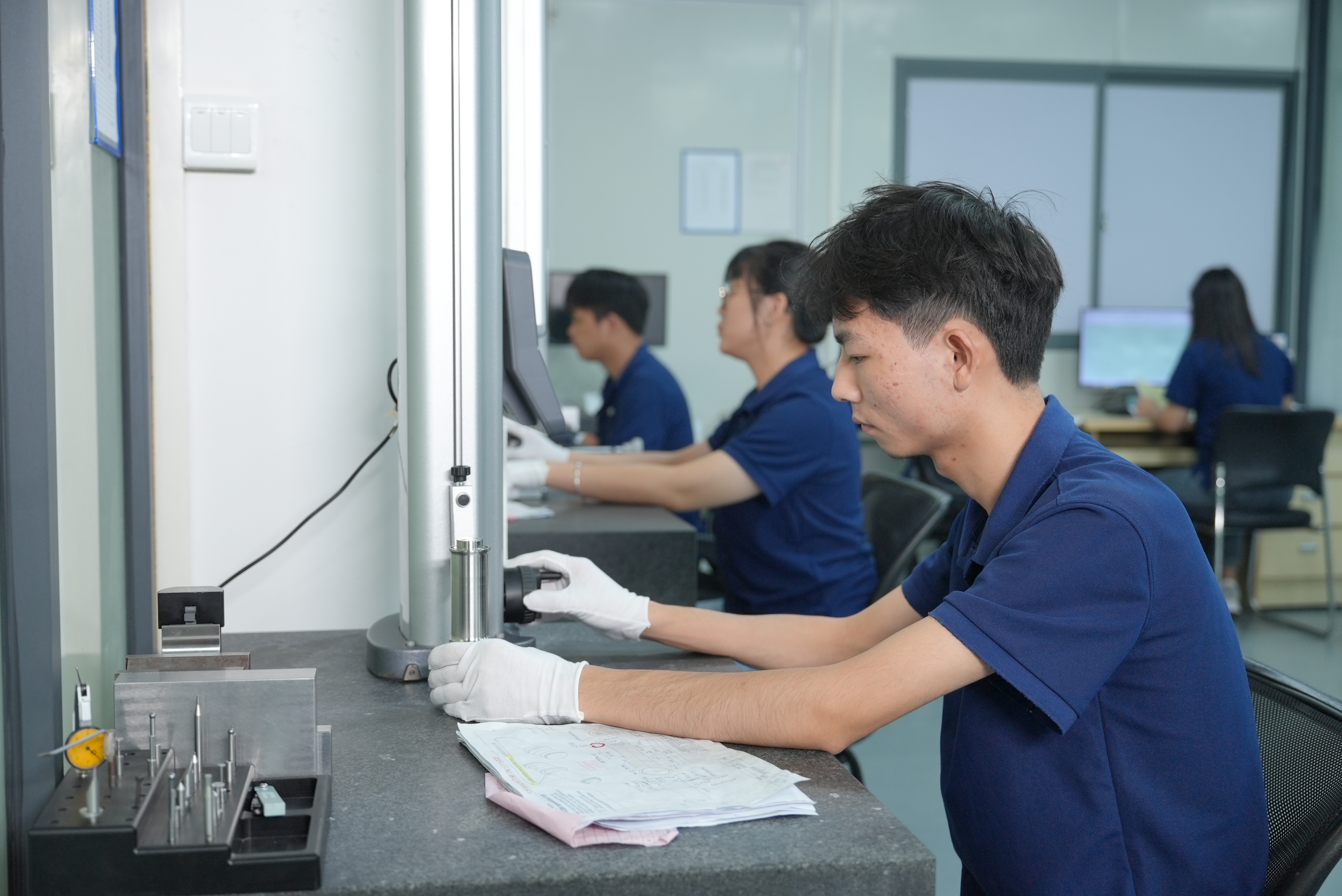
Read guide →Our commitment to quality ensures that every component meets the required standards of precision, consistency and performance before delivery.
Coordinate measuring machines, profile projectors and optical inspection systems verify critical dimensions.
First article inspection, in-process checks and documented quality records support stable production runs.
Certified raw materials, traceable production lots and inspection records help verify component reliability.
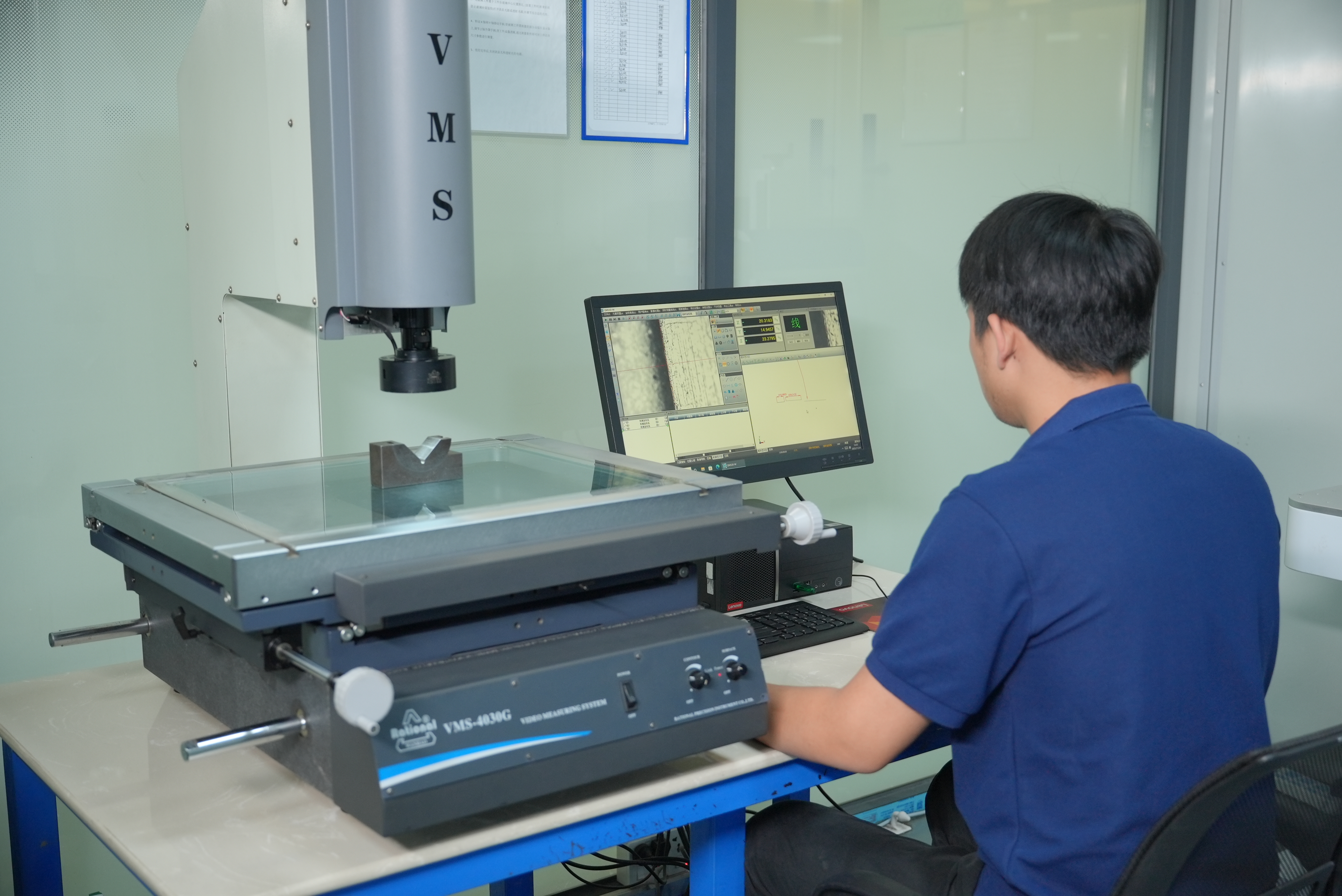
Send your drawing, material, quantity and tolerance requirements. We will review the best machining route and production equipment.
Request CNC Milling Quote

Address:No.7, Hetang Road, Qingshuiao, Wanjiang District, Dongguan City, Guangdong Province of China

Phone:+86 18998711344

Email:info@taimachining.com

Working:Monday - Friday: 8:00 AM - 6:00 PM PST


